


A sofa can be finished at the factory and still be weeks away from the room where it is needed. It may be waiting for other pieces in the order, export packing, a shipping departure or a delivery appointment at the destination. For a project buyer, “production complete” is only one date in a longer schedule.
To plan custom furniture lead times, work backward from the required arrival or installation date. Allow for specification approval, material sourcing, production, inspection, packing and transport. Ask what starts the quoted lead time and where it ends, then identify the decisions and delivery arrangements that must be completed along the way.
An apartment handover, showroom opening or villa installation gives the schedule a practical endpoint. T
An apartment handover, showroom opening or villa installation gives the schedule a practical endpoint. Tell the supplier whether the furniture must arrive at a destination warehouse, reach the project address or be assembled in its final position by that date. These are different delivery requirements.
ell the supplier whether the furniture must arrive at a destination warehouse, reach the project address or be assembled in its final position by that date. These are different delivery requirements.
Keep three milestones separate: ready for collection at the factory, expected arrival at the destination port or terminal, and delivery to the site. If installation is required, plan it separately and confirm who will carry it out. An estimated shipping arrival does not include every step needed to place the furniture in the room.
The site also needs to be ready. Confirm access, lift dimensions, receiving hours and a suitable area for unpacking. If other trades are still working, discuss whether delivery should be delayed or directed to storage, and who will arrange and pay for that storage.
The date of the first inquiry is rarely a useful starting point for a manufacturing schedule. A furniture list may still contain unconfirmed sizes, alternative fabrics or drawings awaiting the designer’s approval. Ask which conditions must be met before the quoted production period begins, including specification approval and any payment requirements stated in the order.
For a sectional sofa, resolve the module arrangement and chaise position. For a bed, confirm both the mattress size and the outer frame dimensions. For a cabinet, settle the storage layout, top material and finish. These decisions affect what can be ordered, cut or made.
RSKING supports material and finish confirmation alongside in-house 3D visualization. Use the Bespoke & Materials references to organize selections, and agree on a deadline for the final approval. If a physical sample is needed, include its preparation, delivery, review and any revision before scheduling the affected production work.
Choosing a material and having enough of it available are separate matters. A fabric swatch may be available for review while the required quantity or color needs to be ordered. Stone selection, coordinated veneer grain and a particular metal finish can also introduce preparation steps that should be discussed early.
Ask which selections are available for the order, which require sourcing and whether any one material is likely to determine the earliest completion date. If a finish is essential to the design, allow time for it. If the date matters more, ask whether a suitable alternative could simplify sourcing, and approve any substitution in writing.
For repeated items, confirm the total quantity before material purchasing where possible. Adding chairs or sofa modules later may require another material order and a separate production slot. Ask whether the addition can follow the original schedule rather than assuming it will.

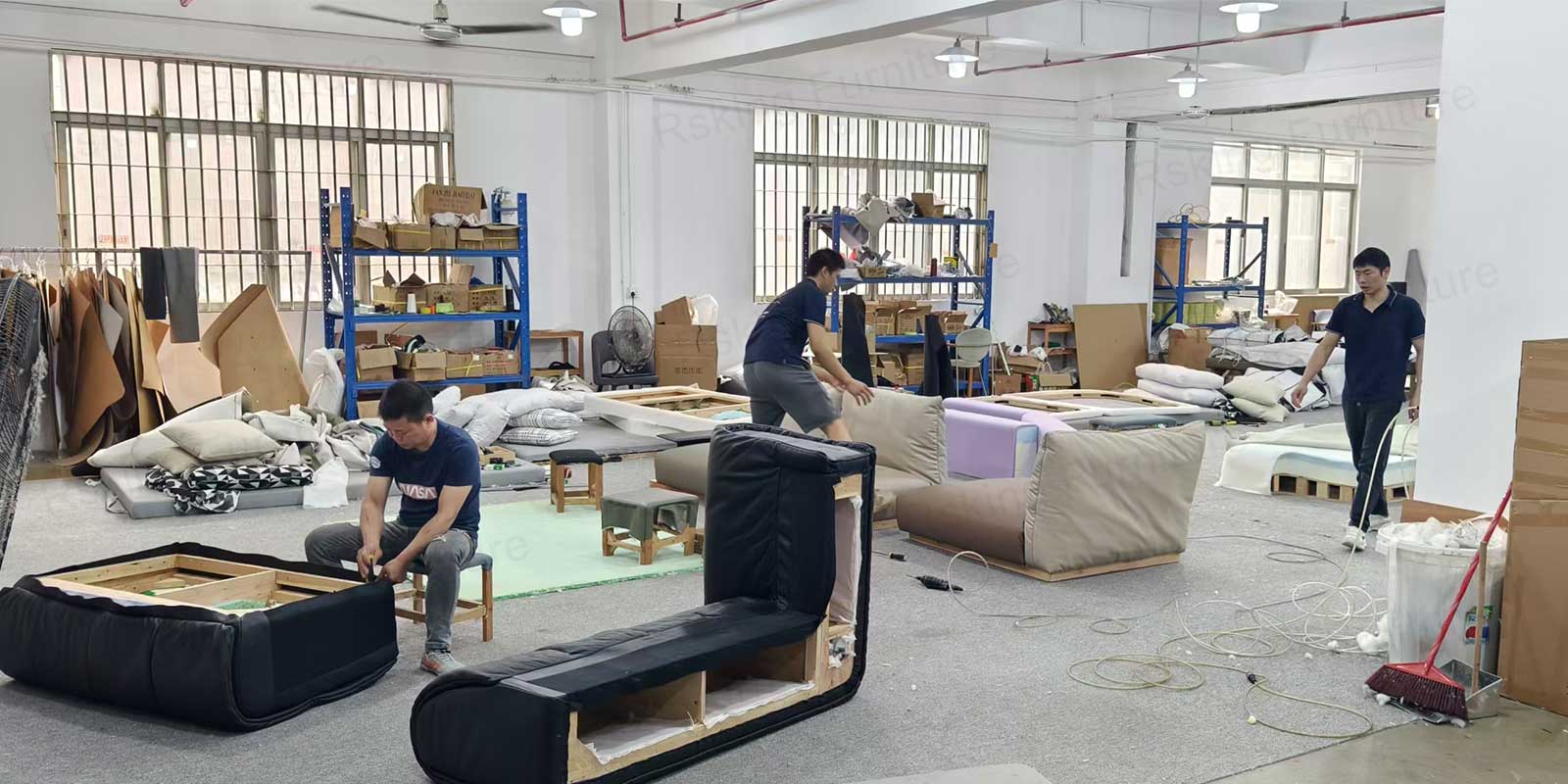
A dining chair order and a mixed collection of sofas, beds and stone-top cabinets do not pass through exactly the same work. Upholstery requires cutting, sewing and fitting; cabinetry involves its own woodworking, finishing and assembly. Some tasks can run alongside one another, while others depend on earlier work being completed.
RSKING’s manufacturing capabilities include woodworking, finishing, upholstery and assembly. When discussing timing, ask for an assessment based on the confirmed models, quantities and customization details, together with the production capacity available for that order.
For a mixed order, identify the item expected to finish last. A completed sofa may still wait if the shipment also includes a cabinet awaiting its stone top. Agree whether everything will leave together or whether a separate shipment is worth considering. Splitting an order can change packing, handling and freight costs.
Ask about planned factory and supplier closures during the proposed schedule. A holiday can affect material availability and transport as well as workshop activity. Its impact should be checked against the actual order dates.
Inspection needs space in the schedule. RSKING describes checks during production and before shipment, covering areas such as dimensions, finishes, upholstery and product condition. Allow time to resolve any findings before the goods are released for packing or collection.
If the buyer requires an independent inspection or a specific photographic review, agree on its scope and timing early. Confirm who will review the results and how quickly a decision can be made. A finished order can still wait if the person authorized to release it is unavailable.
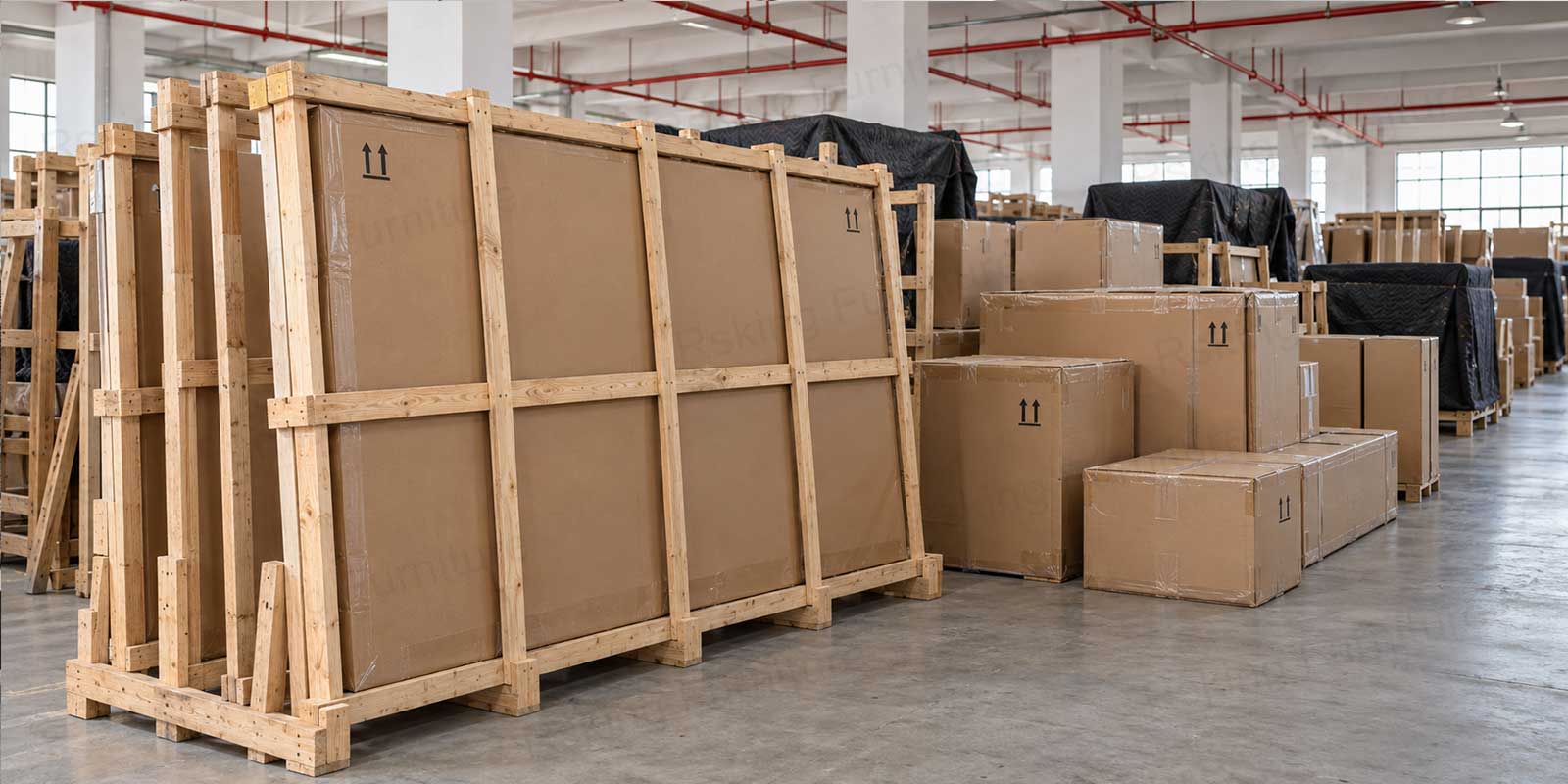
Packing requirements should be settled before the end of production. Separately packed stone tops may need cushioning, cardboard protection and external timber reinforcement suited to the item and transport arrangement. Large upholstered pieces require a different approach. Room labels, component identification and phased deliveries also need preparation.
Ask whether the quoted ready date includes inspection and completed packing. “Furniture finished” and “packed and ready for collection” should not be treated as interchangeable updates.
Transport planning needs the destination, shipment size, packing information and a realistic cargo-ready date. Confirm with the party arranging freight when booking information is required and how changes to factory readiness would affect the intended departure.
For international orders, allow for origin handling, the main transport journey, destination clearance and local delivery. The time required depends on the route and the agreed delivery arrangement. Ask the freight provider for current estimates and suitable contingency time instead of applying one shipping allowance to every country.
Make responsibility clear at each handover. Identify who arranges collection, documentation, customs clearance, unloading and delivery to the project. If several suppliers’ goods will be consolidated, check whether another supplier’s completion date could hold up the shipment.
A useful progress update says what has been completed, what comes next and whether anything needs a decision. “In production” gives less planning value than knowing that the frames are complete but a revised upholstery selection is still awaiting approval.
For project orders, agree on a short milestone list with a responsible contact for each stage:
Specification release: Drawings, materials, finishes and quantities confirmed.
Material readiness: Required materials available, with any outstanding items identified.
Production completion: Furniture ready for the agreed final checks.
Shipment readiness: Inspection requirements resolved, packing completed and collection arrangements confirmed.
Destination delivery: Transport updates, receiving arrangements and any installation appointment coordinated.
If a specification changes, ask which items and milestones are affected. A revised fabric may affect one sofa; a shared finish change may affect several pieces. Record the updated completion estimate and any cost implications together. The guide to custom furniture quotation factors explains why material and scope changes can also alter the price.
To request a schedule assessment from RSKING, send the furniture list, quantities, drawings or dimensions, preferred materials, destination and required on-site date through Contact & Inquiry. Highlight any unfinished selections and tell the team whether phased delivery is possible. These details make it easier to assess what the project requires before a completion date is agreed.
The production period depends on the confirmed design, material availability, quantities, sample requirements and workshop schedule. Request an order-specific estimate and confirm its starting conditions. Ask separately about inspection, packing and shipping so the production estimate is not mistaken for the total time to arrival.
Some confirmed work may be able to proceed, but this needs a technical and scheduling review. An unresolved material or dimension can affect later construction or fitting. Agree in writing which items or operations are released and which remain on hold.
Provide the date and destination at the first inquiry. Identify the essential pieces, settle approvals promptly and ask about material availability and transport options. A smaller first phase or an agreed alternative specification may help, but feasibility and any extra cost need confirmation before the order is committed.
Sign up to stay up to date:
Write your email here..
FOLLOW US
On RSKING's social channels


Address : Warehouse B, 3rd Floor, Building 1, No. 2 Lianxin South Road, Sanlian Industrial Park, Wanggang Village, Longjiang Town, Shunde District, Foshan City, Guangdong Province
Office Tel : +86 757 2336 9686
Mobile / WhatsApp : +86 186 6654 8299
Email : sales@rskingfurniture.com
Copyright © RSKING All Rights Reserved


