


Two sofas can look almost identical in a rendering and arrive with different quotations. The difference may lie in the leather coverage, the frame construction, the number of modules or the packing arrangement.
Custom furniture cost depends on six main factors: dimensions, construction, materials, finishes, order quantity and delivery scope. For designers, contractors and furniture wholesalers, comparing quotations starts with checking that these details describe the same order.
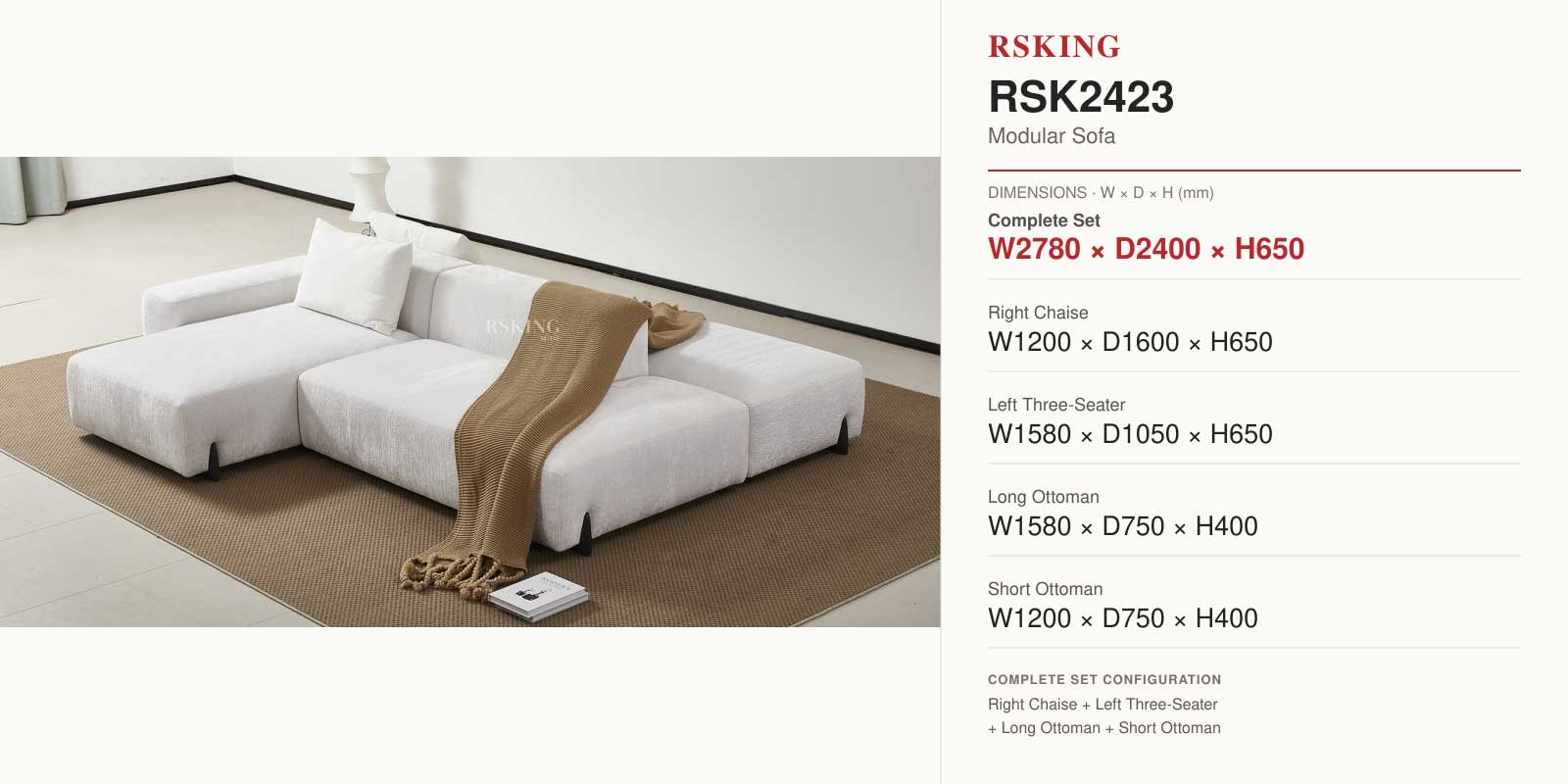
Increasing the width of a sofa changes more than the amount of upholstery. It may affect the frame, cushion sizes, seams, support positions and carton dimensions. An additional module also introduces its own structure and connecting details. Costs therefore cannot be scaled by overall length alone.
A wider cabinet may need a different internal division or support arrangement. For an upholstered bed, the mattress size and the outside dimensions of the frame need to be stated separately. If a piece must pass through a narrow lift or doorway, discuss whether it needs to be divided for delivery before requesting the final price.
A product image rarely reveals the complete frame, cushion build-up or hardware specification. Yet those details affect the work and components required. A fixed sofa back and an adjustable backrest involve different mechanisms; a cabinet with drawers requires different fittings and assembly work from one with open shelves.
Ask the quotation to identify the agreed frame materials, cushion construction and functional hardware where relevant. If you are developing a new design, also clarify whether technical development or a prototype is needed and how that work will be charged. A change to an existing model and a new structure can involve very different amounts of preparation.
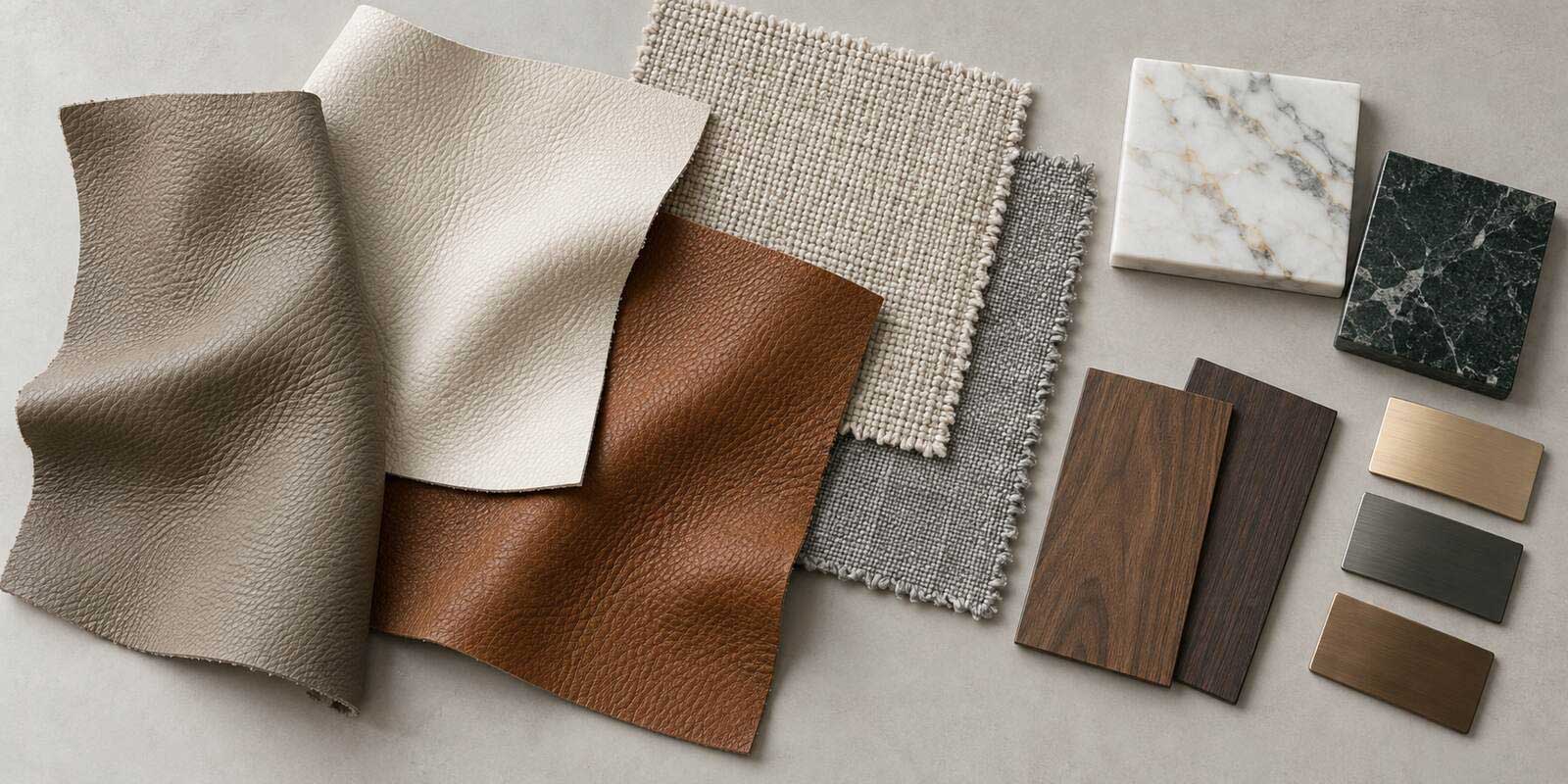
For upholstered furniture, specify the upholstery material and which parts of the piece it will cover. RSKING’s RSK2423 cloud modular sofa, for example, uses chenille fabric. When requesting a quotation, confirm whether the selected upholstery applies to all sofa modules, ottomans and loose back pillows, or whether any parts require a different material. Any alternative upholstery should be identified in the specification and quoted against the original selection.
For fabric, provide a sample reference or material code as well as the color. Pattern size and direction can affect cutting, especially where stripes or other visible patterns need to align across cushions and seams.
Stone introduces another set of decisions. The selected material, slab dimensions, thickness, edge detail and requested vein arrangement can all influence the quotation. Selecting a particular area of a slab may leave less usable material for other parts. Wood veneer selection raises similar questions about grain direction and matching between adjacent doors or panels.
RSKING’s Bespoke & Materials page provides references for upholstery, stone, metal finishes and wood veneer. Use these to identify a direction, then confirm the material selection for the specific product.
“Gold legs” leaves several details open: the base metal, surface treatment, texture and level of sheen. Two samples with a similar color can involve different preparation and finishing processes.
The same applies to cabinet finishes. A high-gloss lacquer and a matte finish have different surface requirements. Curved edges, recessed areas and combinations of finishes can add handling and finishing work. Use an approved finish reference in the specification, and ask for any alternative to be priced against it.
A request for 30 dining chairs in one specification is different from a request for 30 chairs divided across several frames, fabrics and metal finishes. The total quantity is the same, but material purchasing, preparation and production runs may differ.
Give quantities by model, size, material and finish. Repeating an approved specification can spread preparation work across more pieces, but a lower unit price is not automatic. Ask the manufacturer to quote the actual combination you intend to order. For a mixed villa or apartment project, a room-by-room furniture list is often more useful than a single total item count.
Furniture collected from the factory and furniture delivered to a project address cover different services. Compare offers using the same agreed trade term and named collection or delivery point.
Ask which costs are included: packaging, inland transport, international freight, destination handling, customs clearance and local delivery. Duties, taxes, unloading, carrying furniture into the building and assembly also need a clearly assigned responsibility. A shipping arrangement should not be read as a promise of installation.
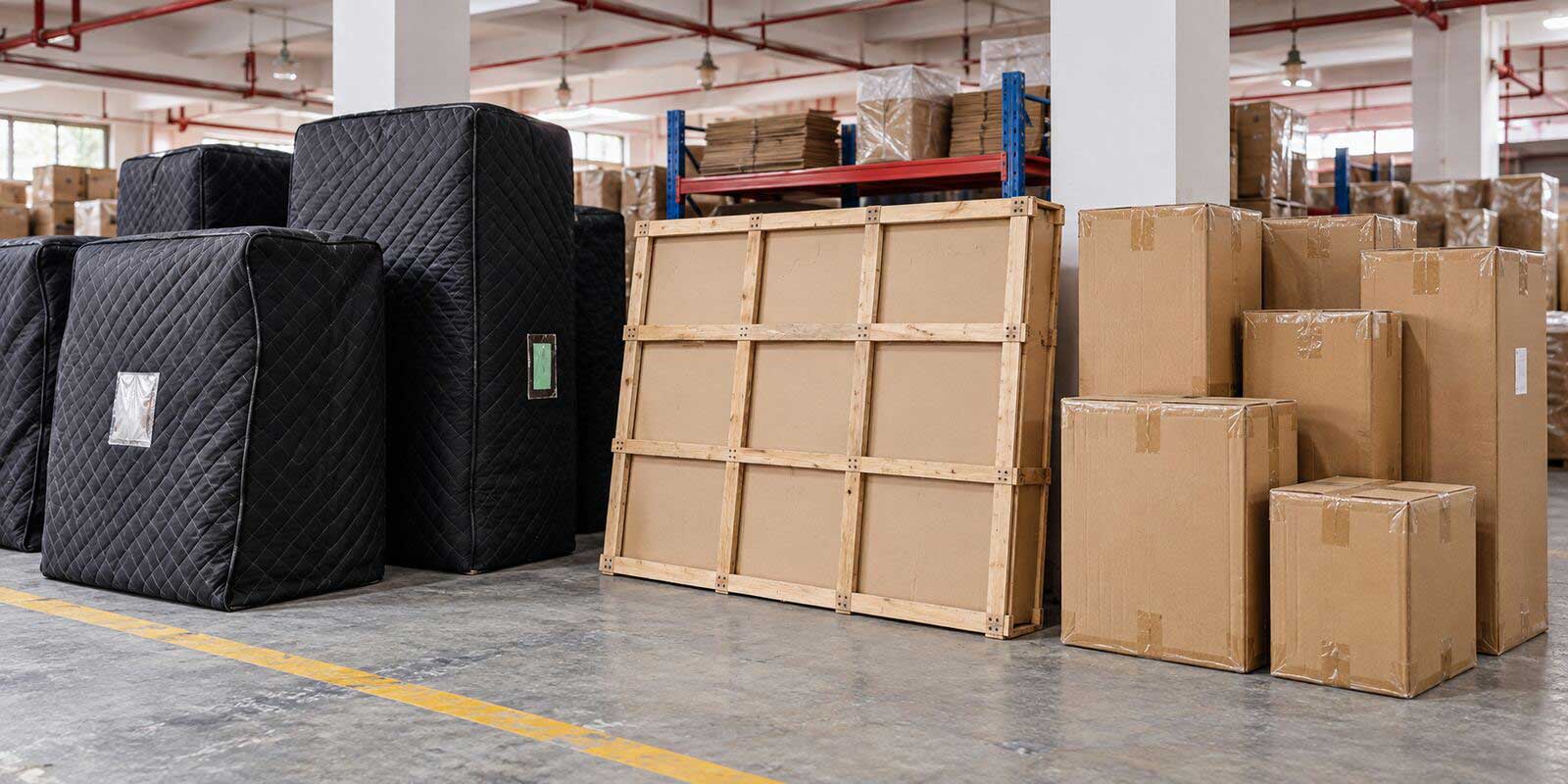
Packing deserves its own description. A large stone top may need a different protection method from an upholstered chair. Crates, separate component packing or room labels should be agreed before comparing totals. RSKING provides packaging and logistics coordination as part of its furniture project support; the scope and charges for an individual order still need to be confirmed in writing.
A clear item list gives the team something specific to review. Include:
Product references: RSKING model numbers, drawings or reference images.
Dimensions and configuration: overall measurements in mm, module layout and any access constraints.
Materials and finishes: selected codes or samples, with unresolved choices clearly marked.
Quantities: the number of pieces for each specification.
Destination and timing: country, city and required arrival date.
Packing and delivery requirements: any special protection, labeling, phased delivery or site requirements.
If the budget is fixed, identify which features must stay and where alternatives can be considered. For example, the dimensions and seating function may be essential while the upholstery selection remains open. Ask for alternatives to be listed separately so their effect on the price is visible.
Send your furniture list through RSKING’s project inquiry page. RSKING works with designers, contractors and wholesale buyers from its base in Foshan, China. The model references and project details help the team review customization requirements and discuss a quotation for the proposed order.
You can submit the project for an initial review. Mark the choices that remain open and ask which assumptions any preliminary estimate uses. The final quotation should identify the materials and finishes being supplied.
Confirm this for the particular order. Drawing development, physical samples, revisions and sample delivery may have separate scopes or charges. Ask which items are included before approving the quotation.
The confirmed size, structure, material, finish, quantity or delivery scope may differ from the initial assumptions. Ask for a revised quotation that identifies the changes, its validity period and any effect on the production schedule before proceeding.
Sign up to stay up to date:
Write your email here..
FOLLOW US
On RSKING's social channels


Address : Warehouse B, 3rd Floor, Building 1, No. 2 Lianxin South Road, Sanlian Industrial Park, Wanggang Village, Longjiang Town, Shunde District, Foshan City, Guangdong Province
Office Tel : +86 757 2336 9686
Mobile / WhatsApp : +86 186 6654 8299
Email : sales@rskingfurniture.com
Copyright © RSKING All Rights Reserved


